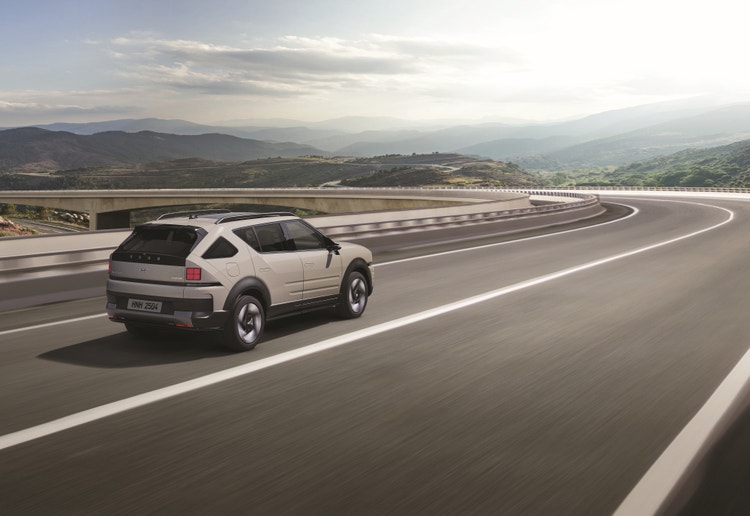
Hydrogen fuel cell cars have attracted a lot of attention lately, and for good reason. These cars are extremely environmentally friendly; in fact, since they only emit water while running, they are even better for the planet than traditional electric cars.
But what exactly are hydrogen fuel cell cars, and how do they work? And, more importantly, what other benefits do they offer over other cars? We’ll take a closer look to give you a better idea of whether they might fit your needs.
How Hydrogen Fuel Cell Cars Work
Hydrogen fuel cell cars are electric vehicles that use a hydrogen fuel to produce electricity, rather than storing it in a large battery.
Just like a gas-powered car turns fuel into energy to drive, a hydrogen car does the same, only in a much cleaner way. Instead of burning gas and creating pollution, a hydrogen fuel cell separates hydrogen into two parts: protons and electrons. The electrons flow through a circuit, creating electricity. After that, the electrons and protons come back together and mix with oxygen from the air, producing only water as a byproduct. The electricity powers the motor, just like in a regular electric vehicle.
Hydrogen fuel cell cars also usually come with a regenerative braking system which allows them to store energy from extra momentum when braking. That energy is reused, so the ride is even more efficient.
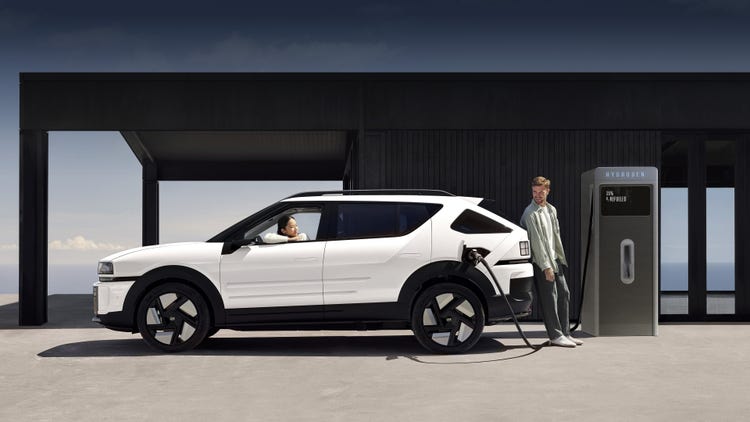
Additionally, hydrogen vehicles are quick and easy to refuel: like gasoline vehicles, hydrogen cars are refuelled at the pump – except in this case, the pump dispenses hydrogen. Fuel cell cars only take a few minutes to fill up, so drivers can get back on the road right away.
Hydrogen Fuel Cell Cars Versus Hydrogen Internal Combustion Engines
Hydrogen fuel cell cars are not the only type of cars that use hydrogen as fuel. Vehicles with hydrogen internal combustion engines are very similar to traditional gasoline cars, but they burn a mixture of hydrogen and oxygen instead of gasoline and oxygen.
The process of burning hydrogen does not produce the same harmful carbon emissions that traditional engines emit. Instead, it creates water, energy, and nitrogen oxide (trace amounts of CO2 might be produced due to air pollution or engine lubrication oil). But since nitrogen oxide can still be harmful, hydrogen internal combustion engines are slightly less eco-friendly than their fuel-cell counterparts.
NEXO: Hyundai’s Hydrogen Fuel Cell Car
As such a unique, promising fuel source, hydrogen will likely have a big impact on the car industry in the future. But you don’t have to wait to experience it firsthand. The Hyundai NEXO, our hydrogen fuel cell-powered SUV, offers an incredible experience, available for Hyundai Canada’s fleet customers. It features an impressive range of up to 711 km1, takes just approximately 5 minutes to refuel2, and is quiet, allowing you to sit back and enjoy the ride.
Inside, the NEXO is packed with helpful features. A 12.3” Infotainment touch screen with onboard Navigation and an available 12” Head Up Display help drivers stay connected while minimizing distractions. Meanwhile, an available BANG & OLUFSEN Premium Sound system elevates the ride even further; Over-The-Air Software Updates make it easy to upgrade to the latest software.
The NEXO also comes with Hyundai’s SmartSense™ safety suite and includes Advanced Driver Assistance Systems (ADAS) like Forward Collision-Avoidance Assist with pedestrian and cyclist detection, Blind-Spot Collision-Avoidance Assist, Lane Keeping Assist, and Electronic Stability Control.
NEXO is currently a limited production model for fleet sales only in Canada. To inquire with Hyundai Canada further, please fill out the contact form on the NEXO page.
Frequently Asked Questions (FAQ)
If you still have questions about hydrogen fuel cell vehicles, please check out our list of frequently asked questions below.
Do hydrogen fuel cell cars have combustion engines?
Hydrogen fuel cell cars do not have combustion engines; instead, they use a chemical reaction between hydrogen and oxygen to generate electricity, which powers an electric motor, producing only water as a byproduct. However, some hydrogen-powered cars have hydrogen internal combustion engines, which burns hydrogen in a way similar to gasoline. While both use hydrogen as fuel, fuel cells are quieter, more efficient, and cleaner, producing no emissions aside from water vapor.
What is the difference between a hydrogen car versus an electric car?
A hydrogen fuel cell car is actually a type of electric vehicle, but it gets its power in a different way. Traditional electric cars use large batteries that are charged by plugging them in. Fuel cell cars, however, are refueled with hydrogen, which is then converted into electricity inside the car to power the motor.
How do you refuel a hydrogen-powered car?
Hydrogen-powered cars are refuelled at hydrogen fuel pumps. The process is very similar to refilling a gasoline car’s tank and only takes a few minutes.
Are hydrogen cars eco-friendly?
Yes, hydrogen cars are eco-friendly. Hydrogen fuel cell vehicles only produce water when they run, making them an incredibly clean choice. Hydrogen internal combustion engines are cleaner than traditional gasoline-burning cars since they do not emit carbon fossil fuel gasses, but they do create some pollution.
Where can I find a hydrogen refuelling station in Canada?
There are currently 6 public hydrogen refuelling stations in Canada: 4 are in British Columbia, with 2 in Vancouver, 1 in Victoria, and 1 in Kelowna; Quebec has 1 in Quebec City; Ontario has 1 in Mississauga.
Disclaimer: This article is for general informational purposes only and may not reflect the latest discoveries, changes to available public fueling stations, or updates to vehicle models, features, or availability. For the most accurate and up-to-date information about the Hyundai NEXO, please visit the current model page on the Hyundai Canada website. International model shown. May not be exactly as shown. Limited production. Vehicle not available for retail sales. Please contact us for further details.
1 Range is based on internal R&D estimates, not official NRCAN ratings. Actual mileage and range will vary based on driving conditions, driving habits, vehicle condition and other factors.
2 Fueling time will vary based on ambient temperature, hydrogen fueling pressure, current fill level and other factors.