Electrified
left
light
none
same
false
none
same
false
Navigation
local nav

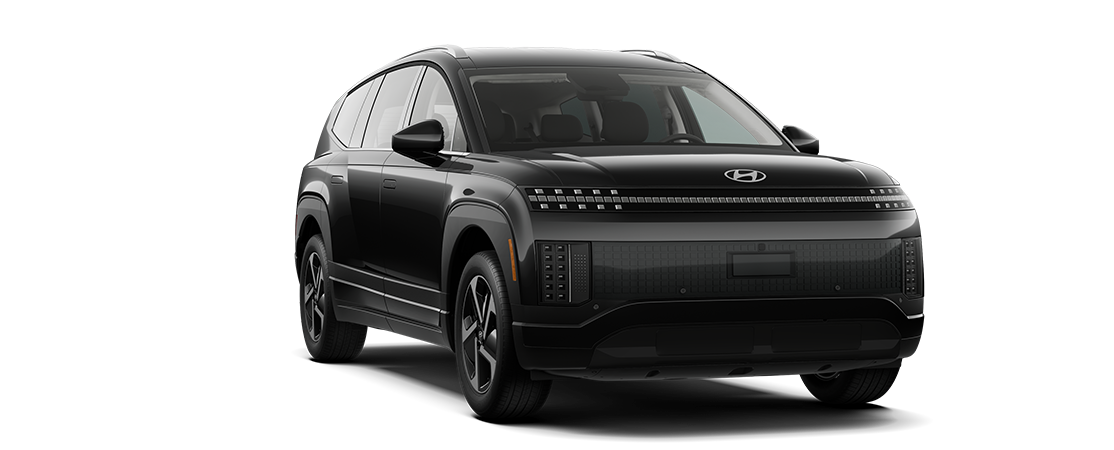
IONIQ 9
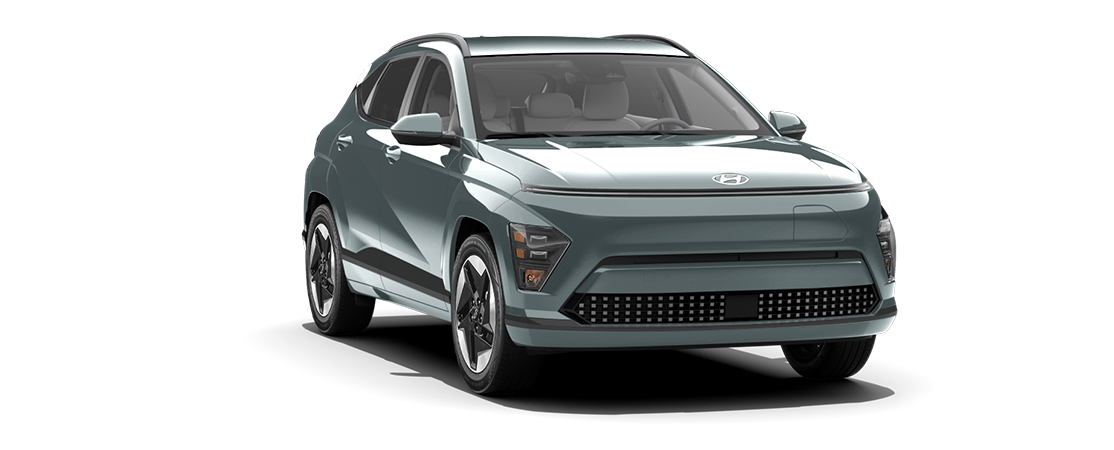
KONA Electric
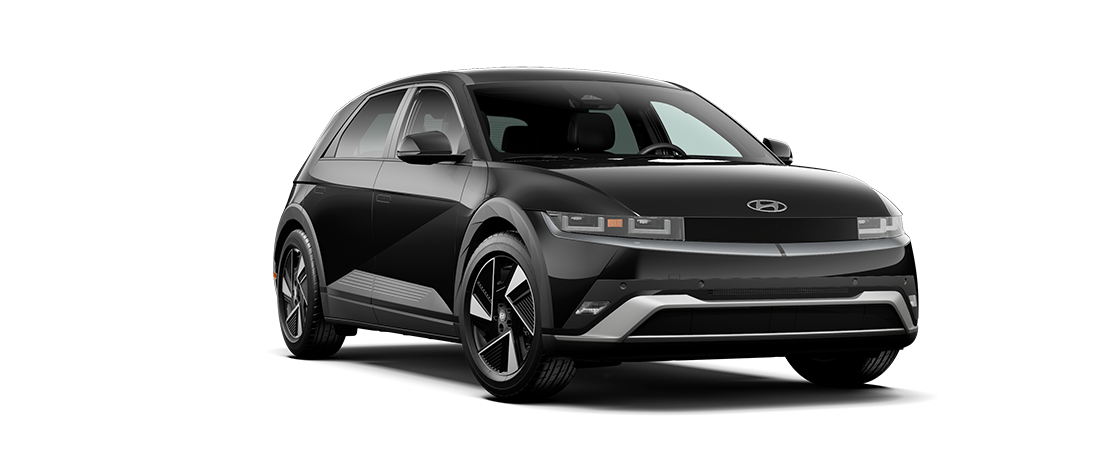
IONIQ 5
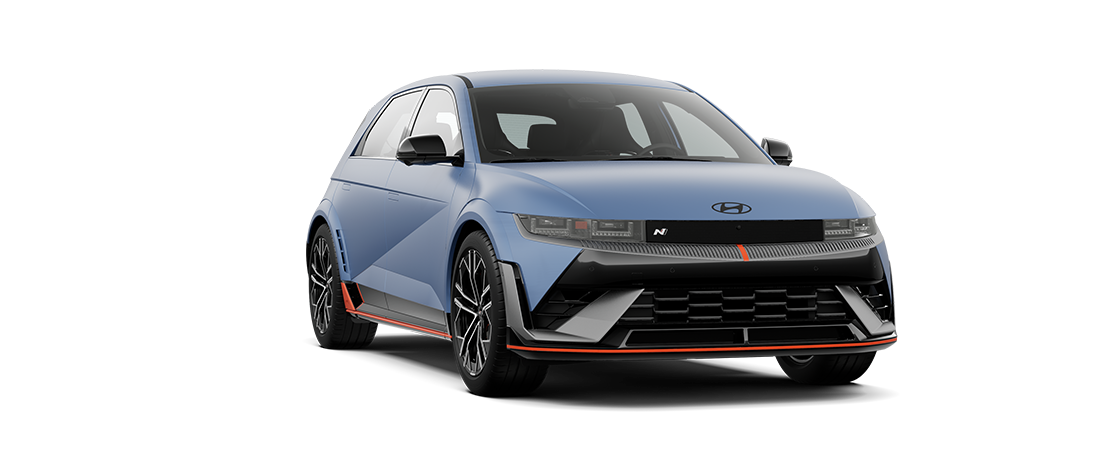
IONIQ 5 N
IONIQ 9
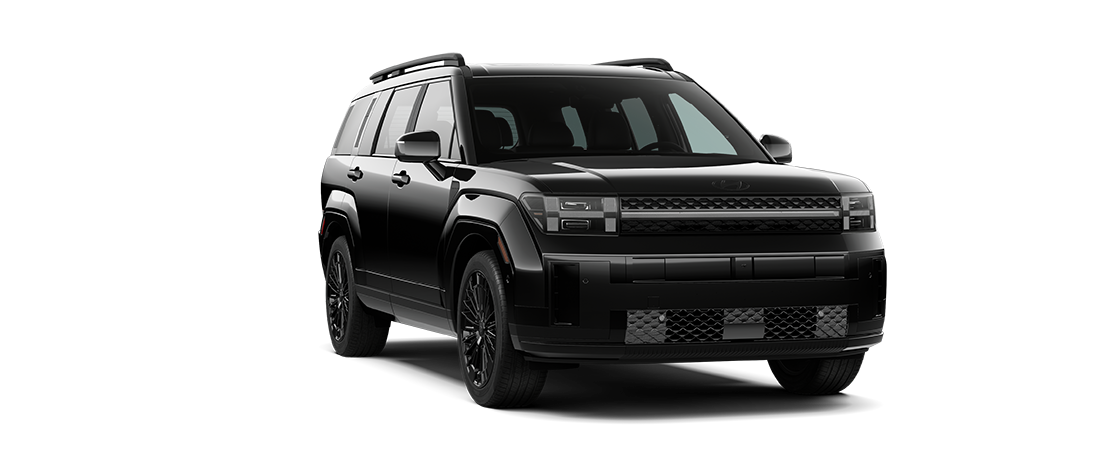
SANTA FE Hybrid
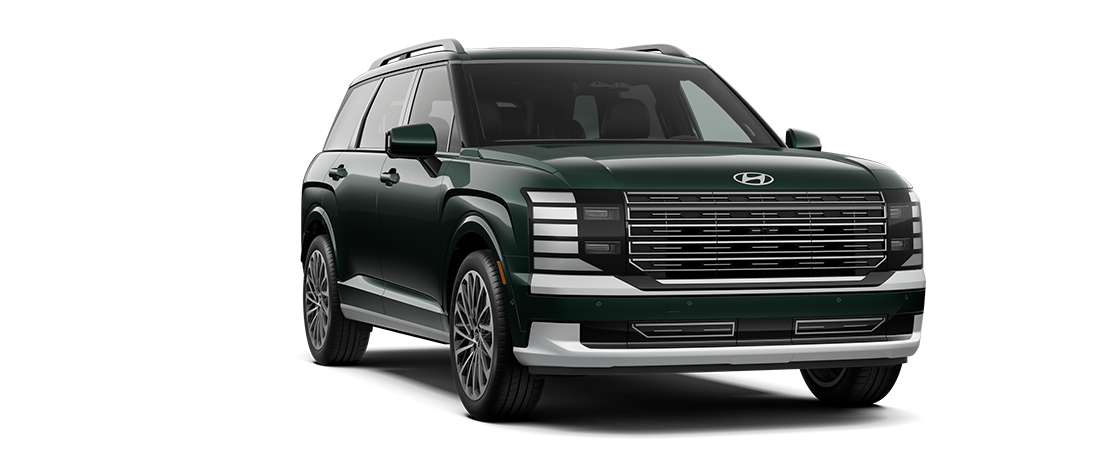
PALISADE Hybrid
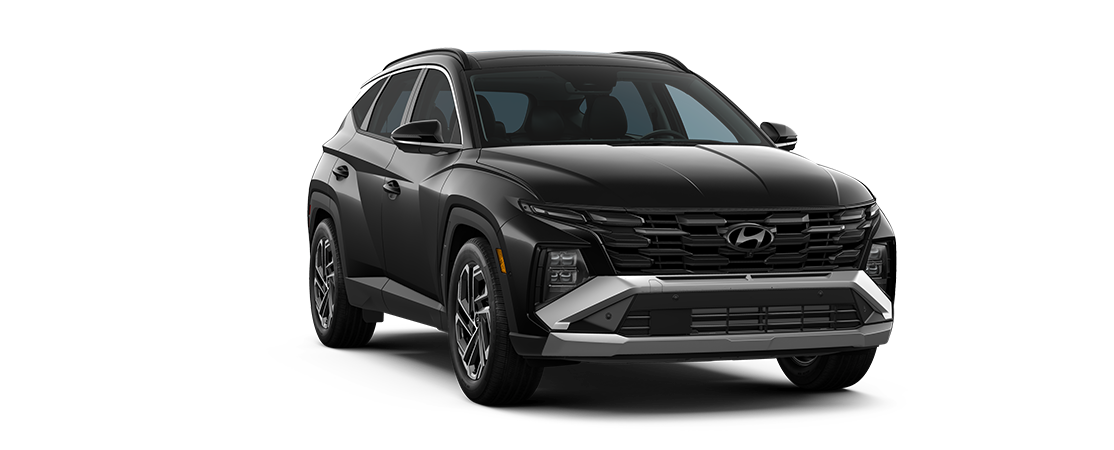
TUCSON Hybrid
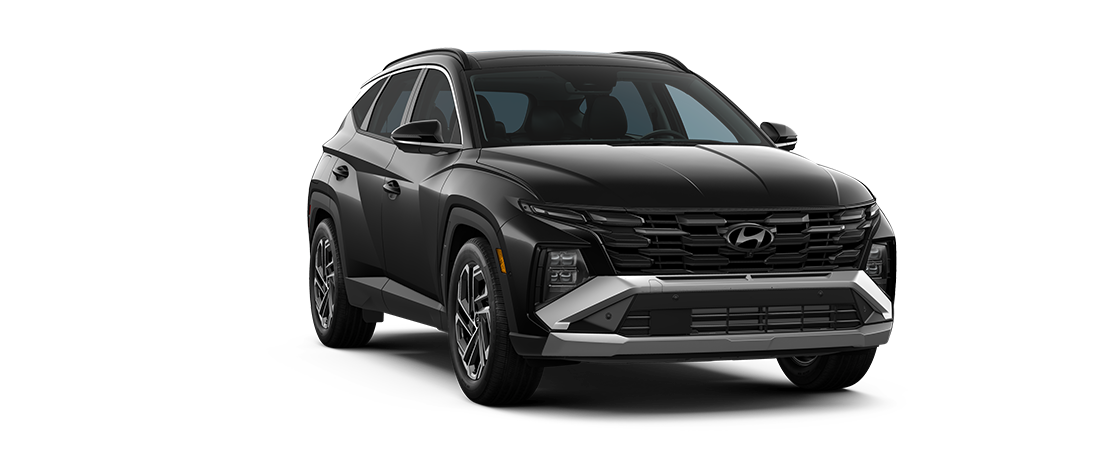
TUCSON Plug-in Hybrid
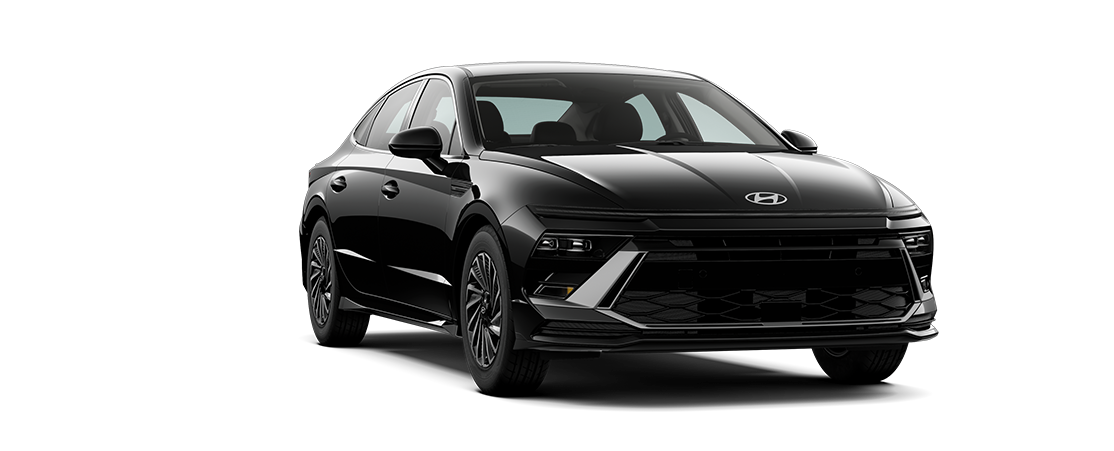
SONATA Hybrid
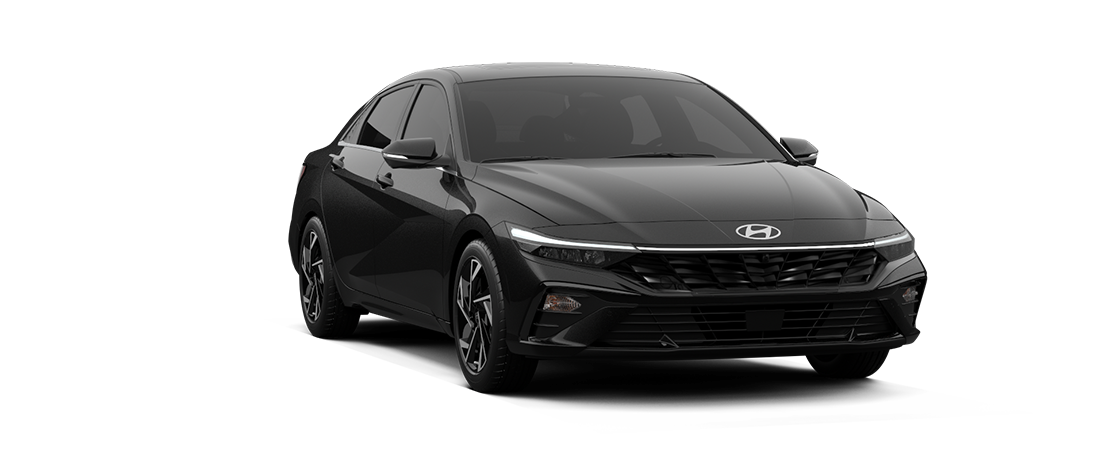
ELANTRA Hybrid
IONIQ 5 N

2026 KONA Electric
All Electric
Drive range
up to
420Kilometer
All-Electric Range (AER)Horsepower
up to
201Horsepower
150kW Electric motor + 64.8kWh lithium-ion polymer high-voltage battery
12.3" colour touch-screen with navigation system
Adaptive Cruise Control w/ traffic stop & go
12.3" full digital instrument cluster
Heated steering wheel
Starting at$46,944
$43,999 MSRP plus additional fees
Our future is electric.
Our future is electric.
Hyundai offers the widest range of electrified vehicles in Canada, providing customers with a variety of options to choose from. With a commitment to innovation and sustainability, Hyundai is leading the way in the electrification of vehicles.
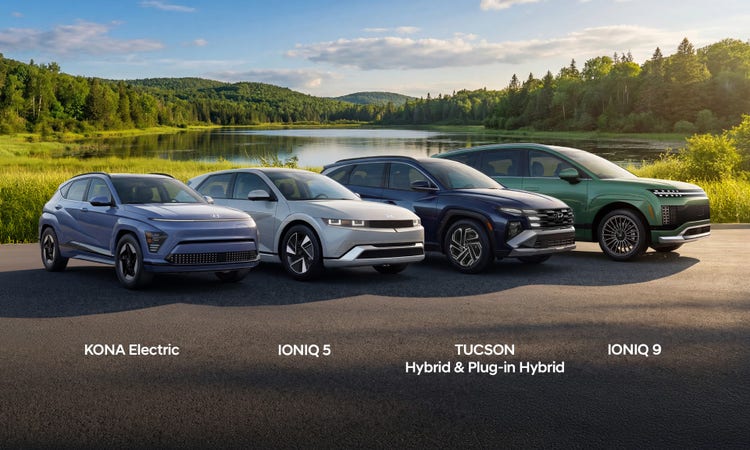

Canada’s most awarded fully electric vehicle line-up*
Canada’s most awarded fully electric vehicle line-up*
The electric motors provide lightning quick acceleration and impressive performance, while also extending the driving experience through regenerative braking.
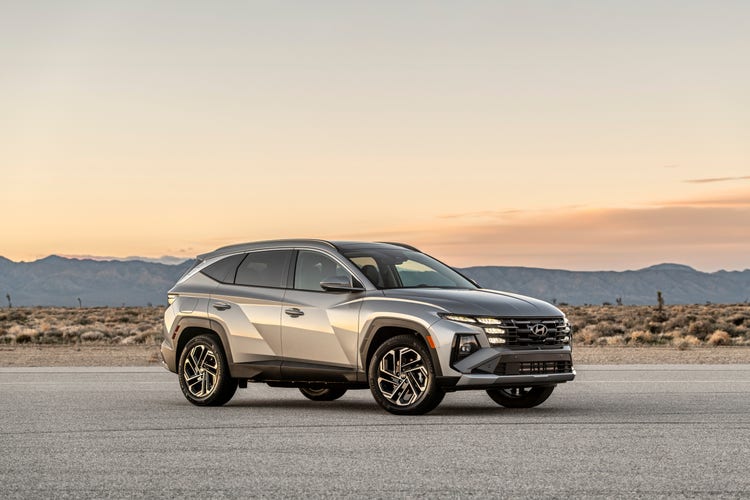

The highest levels of Hybrid Technology
The highest levels of Hybrid Technology
Our plug-in hybrid models take you further than you ever thought possible, with a larger battery than a traditional hybrid, which can be plugged in for charging and is capable of travelling a certain distance on electric power alone. When the electric-only range is depleted, the vehicle will revert to operate like the traditional hybrid. That way your Hyundai gets you there, going farther with the use of both fuel sources.
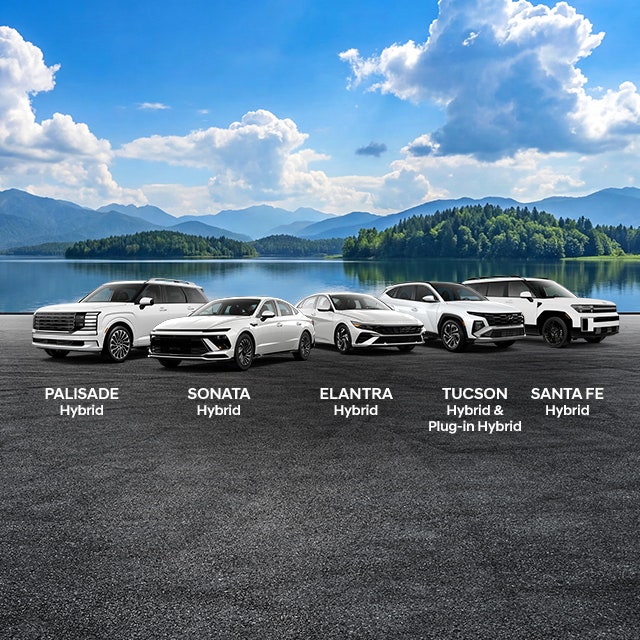

Get the most out of using less
Get the most out of using less
In Hybrids, a gas engine and electric motor is used separately or together, depending on driving conditions. Get outstanding fuel efficiency without needing to plug into an outlet, because the motor’s battery recharges through the engine, as well as through the regenerative braking system.
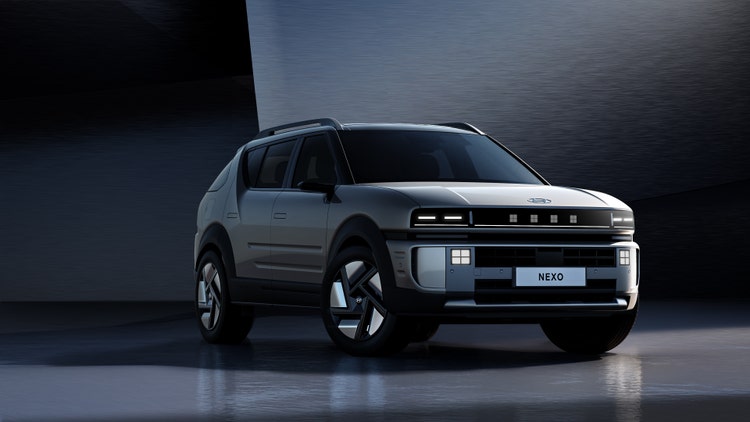

The new elements of Fuel Cell
The new elements of Fuel Cell
Hyundai is the first automotive manufacturer to make a hydrogen Fuel Cell Electric Vehicle available to the Canadian public. Showing our dedication to sustainable motoring technology without compromise, offering an SUV that can travel up to 612 kilometres** and emit nothing more than water and purified air.

The first-ever all-electric IONIQ 9.
The first-ever all-electric IONIQ 9.
Meet the first-ever IONIQ 9, our three-row, fully electric, family SUV. With up to 7-passenger seating and an adult-sized third row, this vehicle has all the room and all the range to keep you going.

Charge your Hyundai at home.
Charge your Hyundai at home.
In partnership with Chargehub, Hyundai offers a range of home charging stations that are portable, lightweight, and adapted to Canadian winters. Compare various charging stations, as well as information on the estimated range and charging times for different Hyundai EV models.
Book a test drive
Book a test drive
Want to experience one for yourself? Book a test drive.
Electric Vehicles
Frequently Asked Questions
Frequently Asked Questions
A hybrid electric vehicle and a plug-in hybrid electric vehicle both utilize their powerful electric motor and a gasoline engine to generate movement. They adapt on their own based on driving conditions, activating the electric motor and/or gasoline engine to propel the vehicle. Both vehicles also use regenerative braking, the most efficient way of putting energy back into the electric battery. This is the process of recovering energy that would otherwise be lost during deceleration so it can be reused to propel the car once acceleration is required.
The key differences between the two is that the plug-in hybrid has a larger electric motor and greater battery capacity allowing it to be used for a greater range of operation and distance. The plug-in hybrid plugs into an external electric source. Meanwhile, the standard hybrid is solely fueled like a conventional gasoline vehicle, meaning you don't need to stop at an electric vehicle charging station.
What is the difference between a Hybrid Electric Vehicle and a Battery Electric Vehicle?
Do you charge a hybrid?
Which powertrain is the best for long commutes?
Which powertrain is the best for city commuting?
Legal
◊Calculated based on a fully charged battery. Based on manufacturer testing and used for comparison purposes only. Actual range may vary based on driving conditions and the addition of certain vehicle accessories.

