
Looking for the right cold-weather tires for your vehicle? There are a few different options, including all-season tires, all-weather tires, and winter tires. Each category has its own unique characteristics which makes it well-suited for different situations; it’s important to understand these characteristics so you can pick the safest tires for your needs.
How cold-weather tire categories differ from each other
There are two major ways that tire categories differ from each other: material and tread. Both can have a significant impact on your safety and overall driving experience and safety in different weather conditions.
- Material: Tires are made of rubber compounds, and rubber loses flexibility in colder weather. Because of this, most regular tires become rigid and offer poor traction when the temperature dips below 7 degrees Celsius. Tires designed for colder weather use softer rubber compounds that remain flexible in cold temperatures, so they can offer better traction. However, each category uses different materials to optimize performance in different driving conditions.
- Tread: All tires contain treads, which are the markings that provide better traction on the road. But cold-weather tires are designed with snow and ice in mind: larger and deeper treads offer improved traction, while grooves direct water and snow away from the vehicle to minimize the risk of hydroplaning and sipes minimize the risk of sliding on icy surfaces. As with rubber compounds, each cold-weather tire category has its own type of tread pattern that is best suited for certain circumstances.
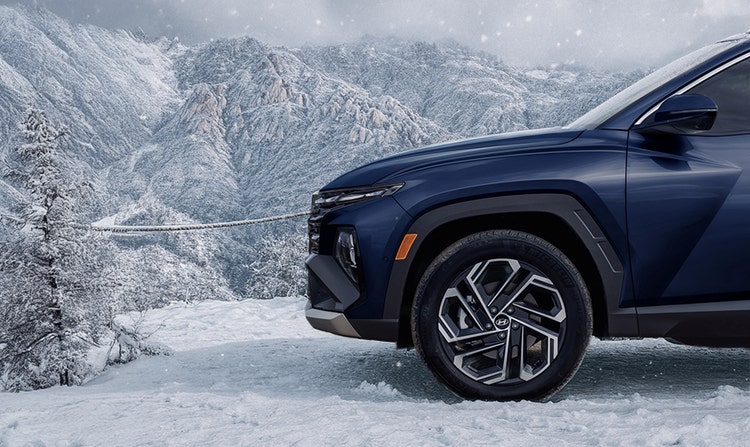
Types of cold-weather tires
There are three main types of cold-weather tires: winter tires, all-season tires, and all-weather tires. While the names may suggest that all three options are well-suited for colder weather, they have significant differences and each is best for specific circumstances.
Winter Tires
Winter tires are designed for driving in winter weather conditions; they are made of a hard rubber that offers traction in cold weather and have tread patterns that are optimized for snow and ice. They are the best choice for driving in winter, especially if you live somewhere with particularly harsh, cold, snowy, or icy winters.
As the name implies, winter tires are only designed for winter driving; they lose traction and are less durable in warmer temperatures, so they must be switched out seasonally. The general rule of thumb is to put winter tires on your car once the average daily temperature falls below 7 degrees Celsius in the fall, and remove them once the temperature is consistently above 7 degrees Celsius in the spring.
Winter EV Tires
Electric vehicles are heavier than gasoline cars, which increases their stopping distance. Fortunately, some winter tires are designed for the weight of an EV and allow them to stop more quickly. This reduced stopping distance can be crucial for safety in snowy or icy conditions.
All-Season Tires
All-season tires are designed for both warm and cool weather conditions. This means that they are made of a material that performs reasonably well in warmer and cooler temperatures, and have treads that resemble a cross between summer and winter tires.
Although all-season tires are versatile, they aren’t optimized for winter driving; their rubber hardens below 7 degrees Celsius, and in the cold, vehicles equipped with winter tires have a stopping distance that is roughly 30% shorter than their all-season tire counterparts. Likewise, while their treads are adequate for driving over rain, they may not offer enough traction when driving over snow or ice. As a result, all-season tires do not meet the minimum snow traction requirements for the Three-Peak Mountain Snowflake (3PMSF) certification, and can only be used in winter in mild-temperate regions.
All-Weather Tires
All-weather tires offer a compromise between winter and all-season tires. They are made of a material that is flexible in both warm and cold temperatures, although they lose some flexibility on very cold, dry pavement; their treads combine elements from both winter and all-season tires. Ultimately, all-season tires can be used year-round, and are capable of handling moderate winters. However, winter tires are still better suited for winter driving in extreme conditions.
Which Tires Should I Choose?
When choosing your tires, you’ll want to think carefully about your winter driving conditions, as well as your preferred maintenance schedule:
- Consider choosing winter tires if: you live somewhere with harsh winters, heavy snow, or significant amounts of ice.
- Consider choosing all-season tires if: you live somewhere with very mild winters, and would prefer to keep the same tires on your vehicle year-round.
- Consider choosing all-weather tires if: you live somewhere with moderate winters, and do not want to change your tires seasonally.
You can also refer to the charts below for a better idea of which situations each type of tire is well suited for; darker colours indicate better performance, while white cells indicate that a tire is not recommended for specific conditions.
| Seasonality | Spring | Summer | Fall | Winter |
| Above 7°C | Above 7°C | |||
| All Season | Changeover |
| Changeover |
|
| Winter | Changeover |
| Changeover |
|
| All Weather | Compatible in all climates | |||
| Pavement Condition | Dry | Rain | Snow | Ice |
| All Season |
|
|
|
|
| Winter |
|
|
|
|
| All Weather |
|
|
|
|
Where Can I Purchase Winter Tires for My Hyundai?
Looking for your Hyundai’s next tires or wheels? Use our Tire Finder to locate in-stock tires and wheels nearby that fit your exact model. Additionally, view all pricing details online.
Frequently Asked Questions (FAQ)
Still curious about winter tires, all-season tires, or all-weather tires? Check out our list of frequently asked questions below, or contact your local dealership for personalized assistance.
Are all-season tires good for winter?
All-season tires can only be used in winter in mild-temperate regions. They become hard when temperatures drop below 7 degrees Celsius, and do not provide enough traction for cold, snowy, or icy winter weather.
Are all-season tires good for snow?
No, all-season tires do not offer good performance for snowy road conditions. Consider using all-weather tires if you live somewhere that receives moderate amounts of snow, or winter tires for the best performance in snow.
What’s the difference between all-season and all-weather tires?
All-season and all-weather tires are both designed for year-round use. However, all-season tires are only a good choice if you live somewhere with mild winters. Those who experience moderate amounts of snow, ice, or cold temperatures in the winter should opt for all-weather tires instead.
Are all-weather tires good for winter?
Yes, all-winter tires are good for moderate winter weather. However, if you live somewhere that experiences severe winter weather, consider using winter tires instead.
Are all-weather tires good for snow?
Yes, all-weather tires provide enough traction to drive through moderate amounts of snow. However, use winter tires for heavy amounts of snowfall.
Can I use winter tires in summer?
No, it isn’t a good idea to use winter tires in the summer. Winter tires are made of a softer rubber compound than summer tires to ensure they remain flexible in cold weather. When temperatures rise, this rubber compound can become too soft, ultimately reducing handling, traction, and durability. Instead, consider switching to summer tires in warm weather, or using all-weather or all-season tires year-round depending on your local climate.
Disclaimer: This article is for informational purposes only. It may not reflect the latest updates to vehicle models, features, or availability. For the most accurate and up-to-date information about Hyundai vehicles, please visit the current model pages on the Hyundai Canada website or contact your local dealership. Hyundai disclaims all warranties, express or implied, and does not assume liability for reliance on this content.

